

Prime agents work autonomously inside your environment, mapping every application, policy, resource, and data flow. They reason like a product security team, attack like an adversary, and carry what they learn across every stage.
One platform across

of software development
Autonomous Design Reviews
AI agents review specs, architecture, and data flows to uncover security risks before code is written.
AI Security Code Reviews
Find vulnerabilities and logic flaws in AI-generated and human-written code.
Continuous White Box Pentesting
Continuous attack path analysis with source, architecture, and controls.
KEY FEATURES
Run the reviews security can’t scale manually
Learn
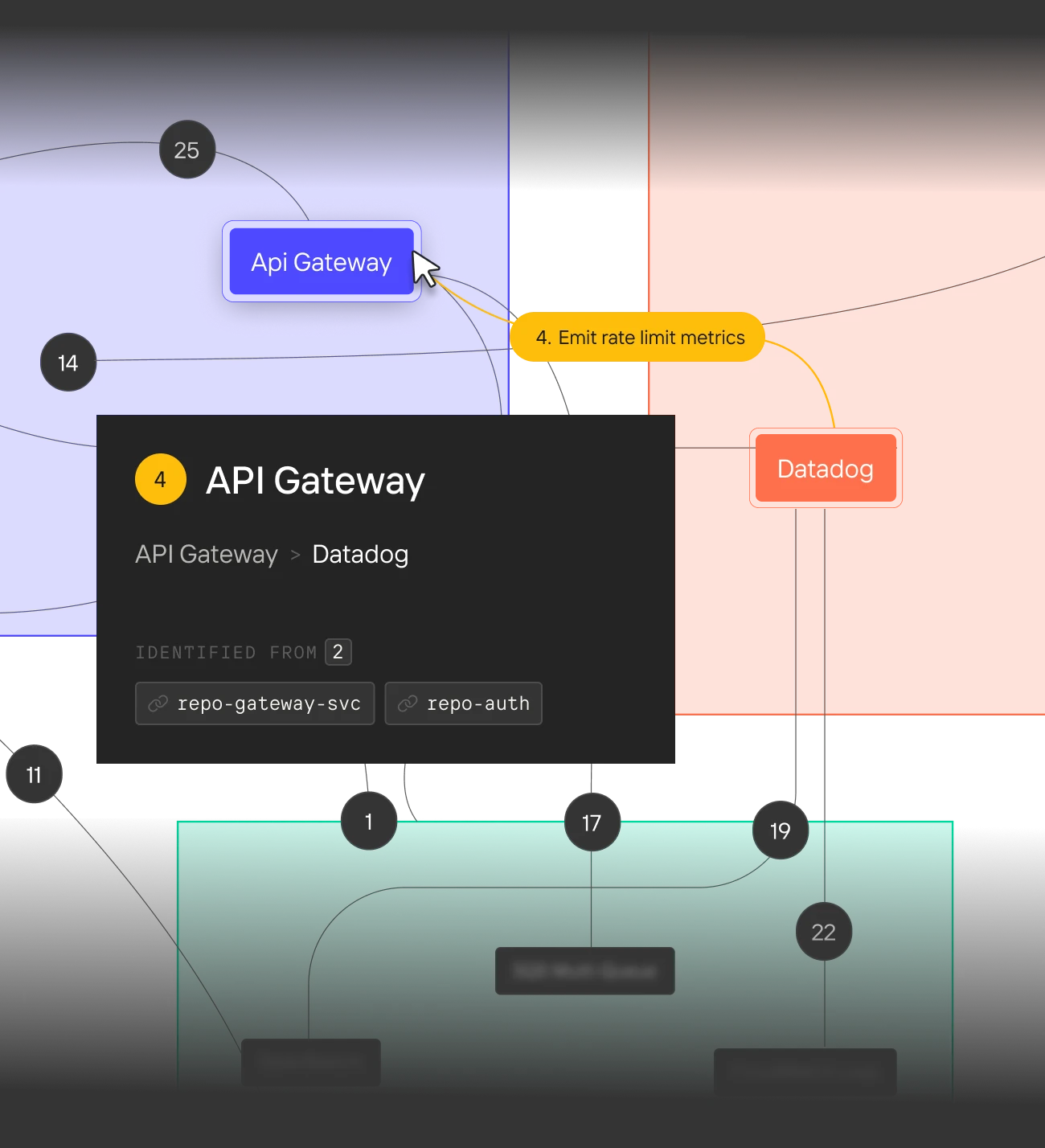
Learns how services connect, how data moves, where decisions happen, how risk is managed, and how security is enforced.
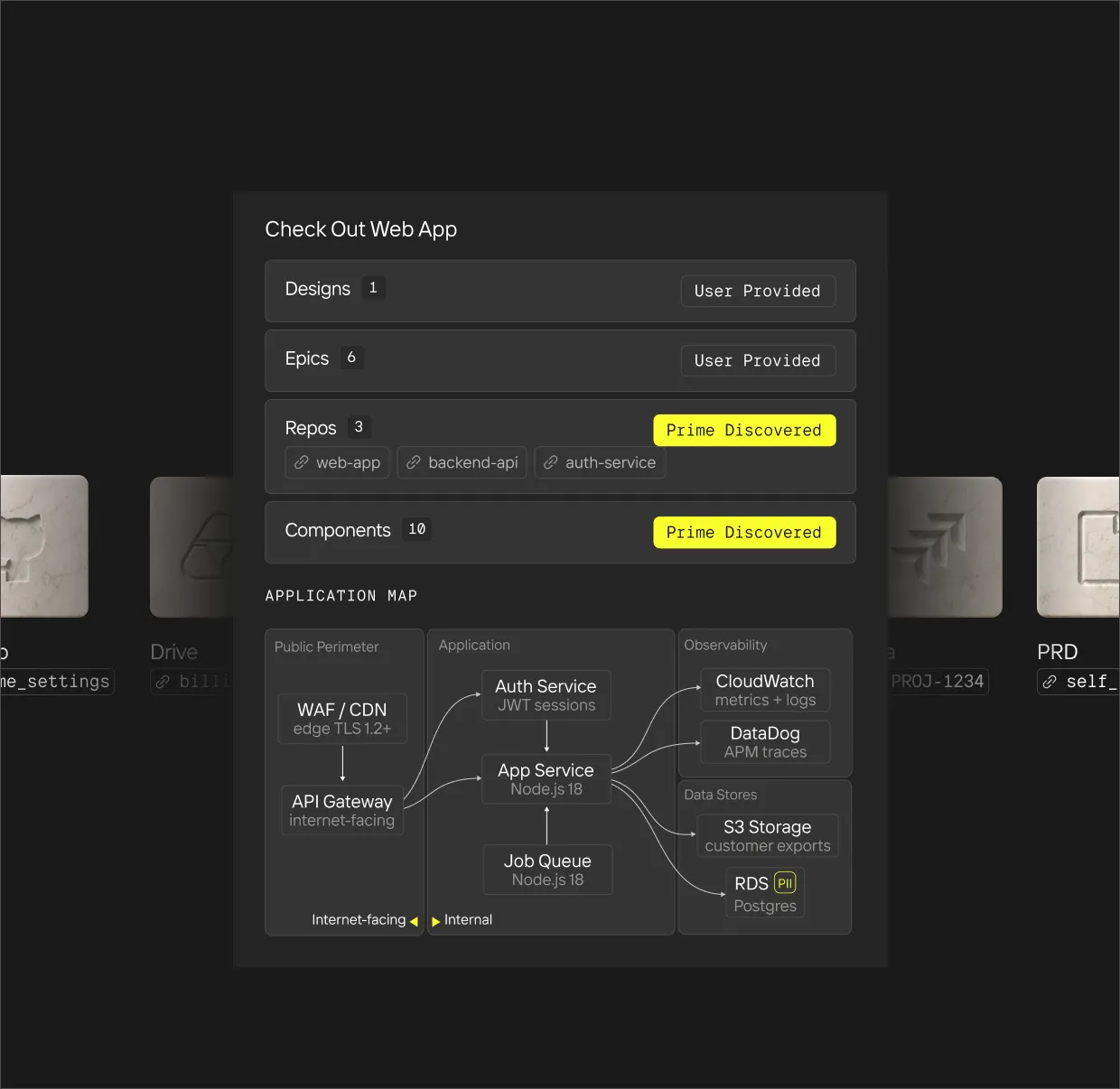
Detect
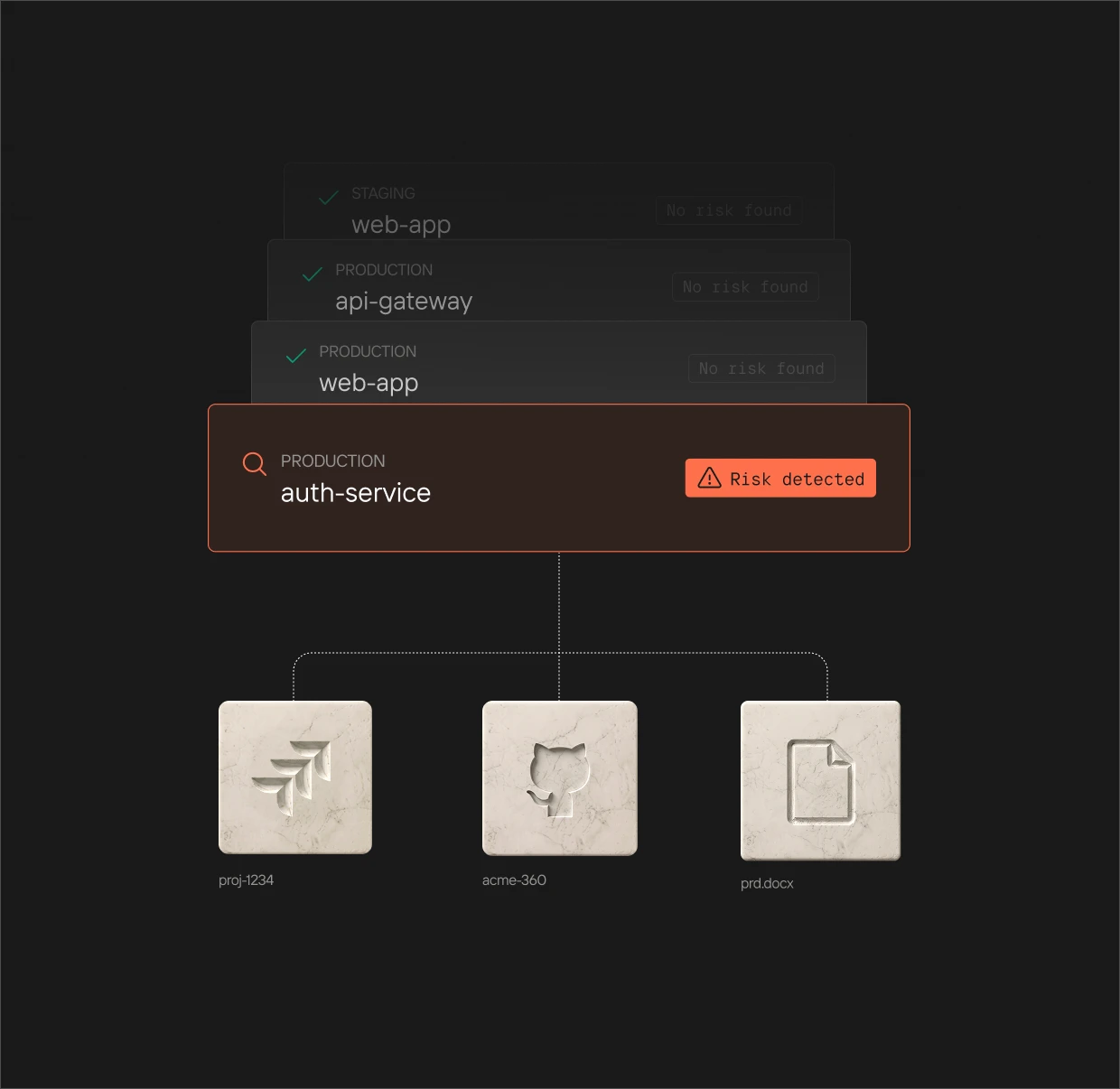
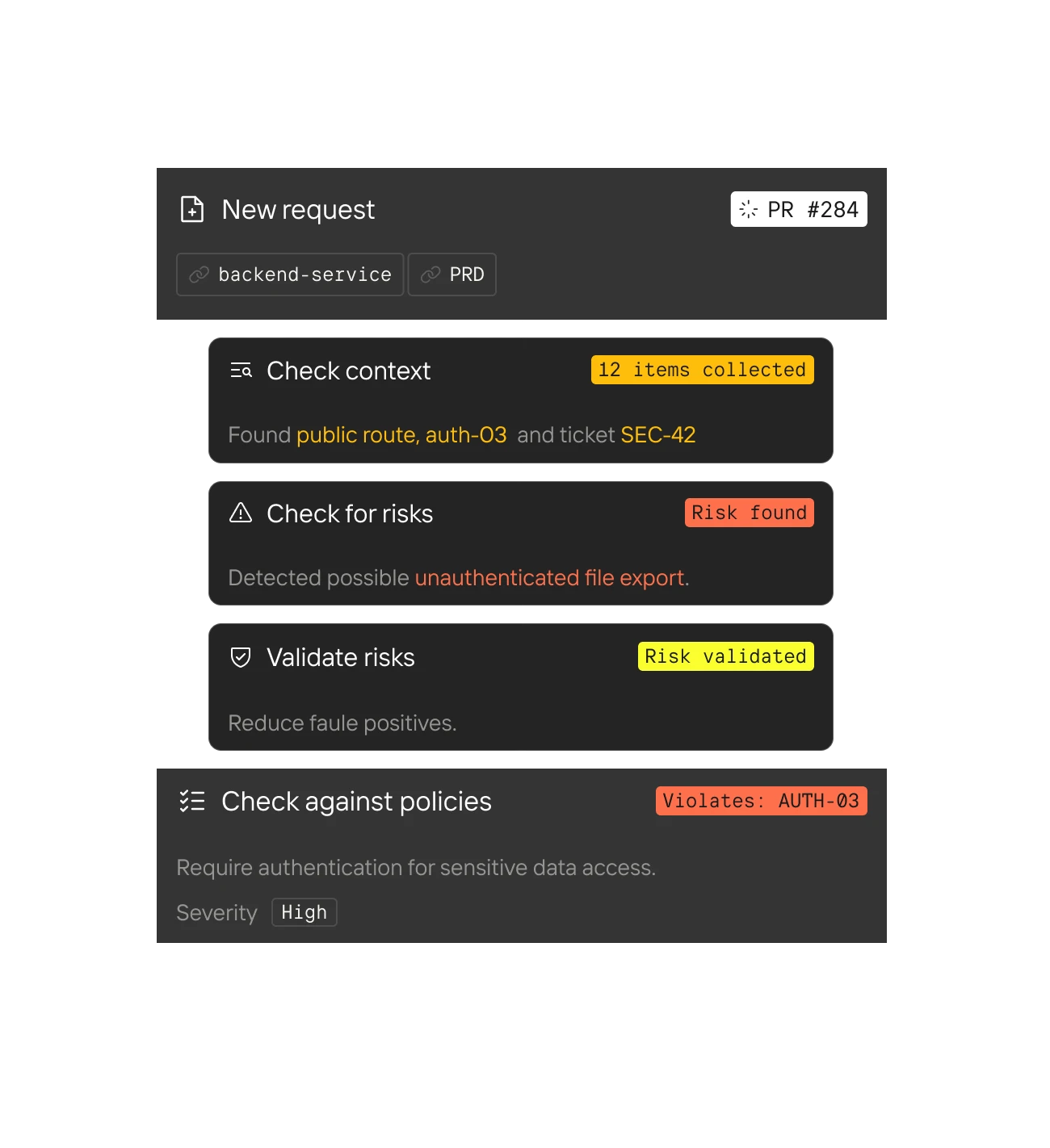
Identifies risk across every design, PR, and repo. Understands the logic of the build, the assets in play, the sensitivity of the data, and the path an attacker would take.
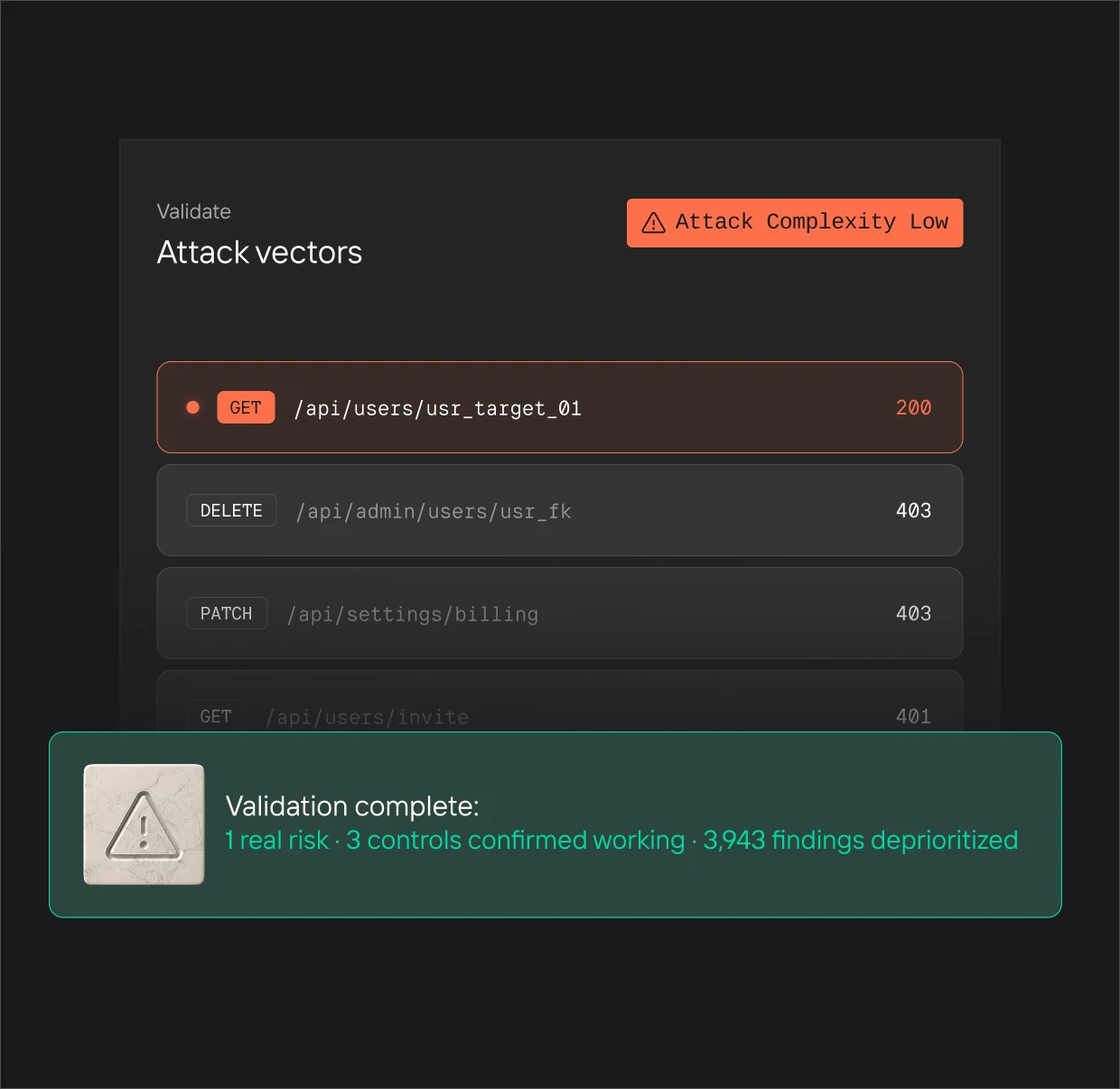
Validate
Confirms the controls that can stop an attack actually do, and judges which risks are real, not just possible.
Mitigate
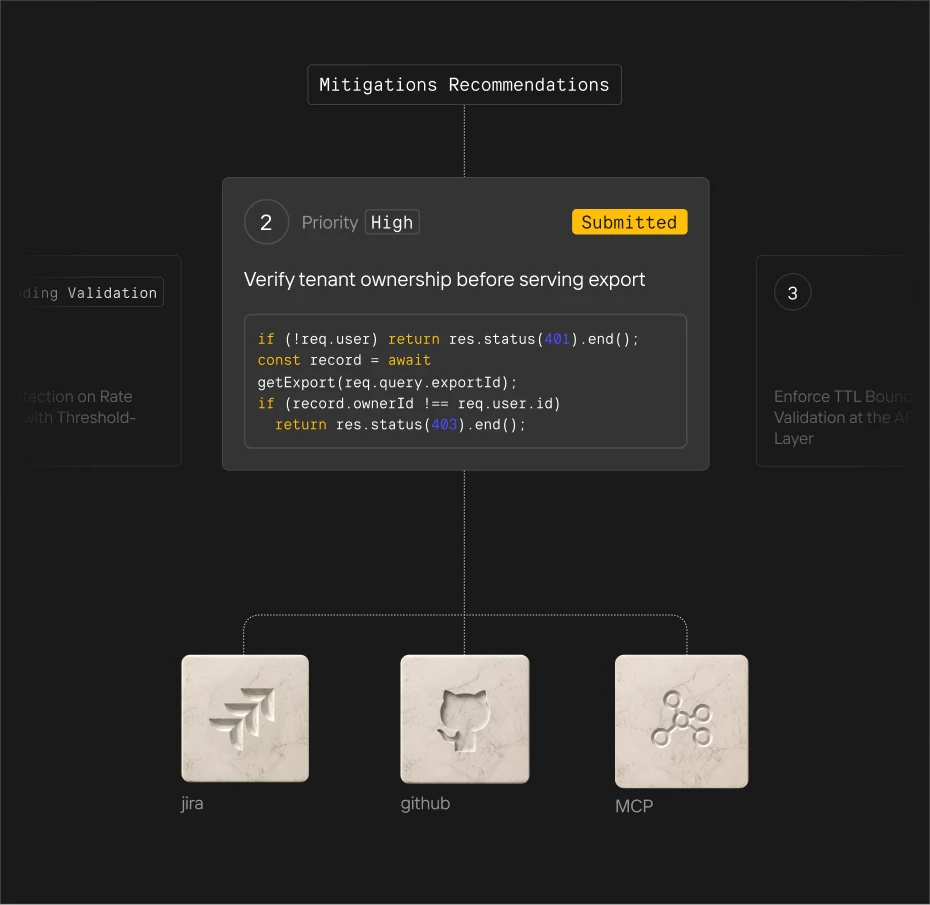
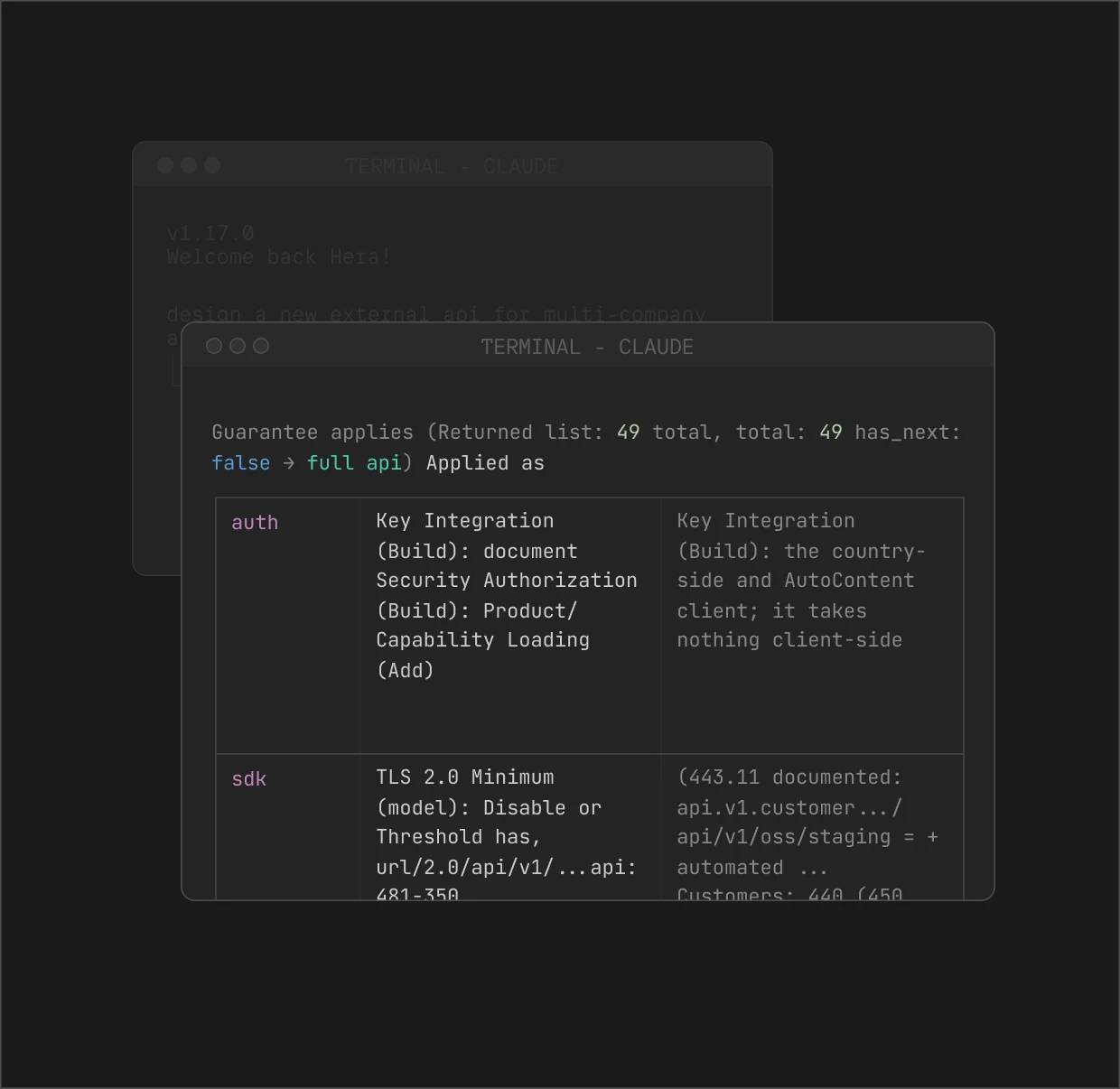
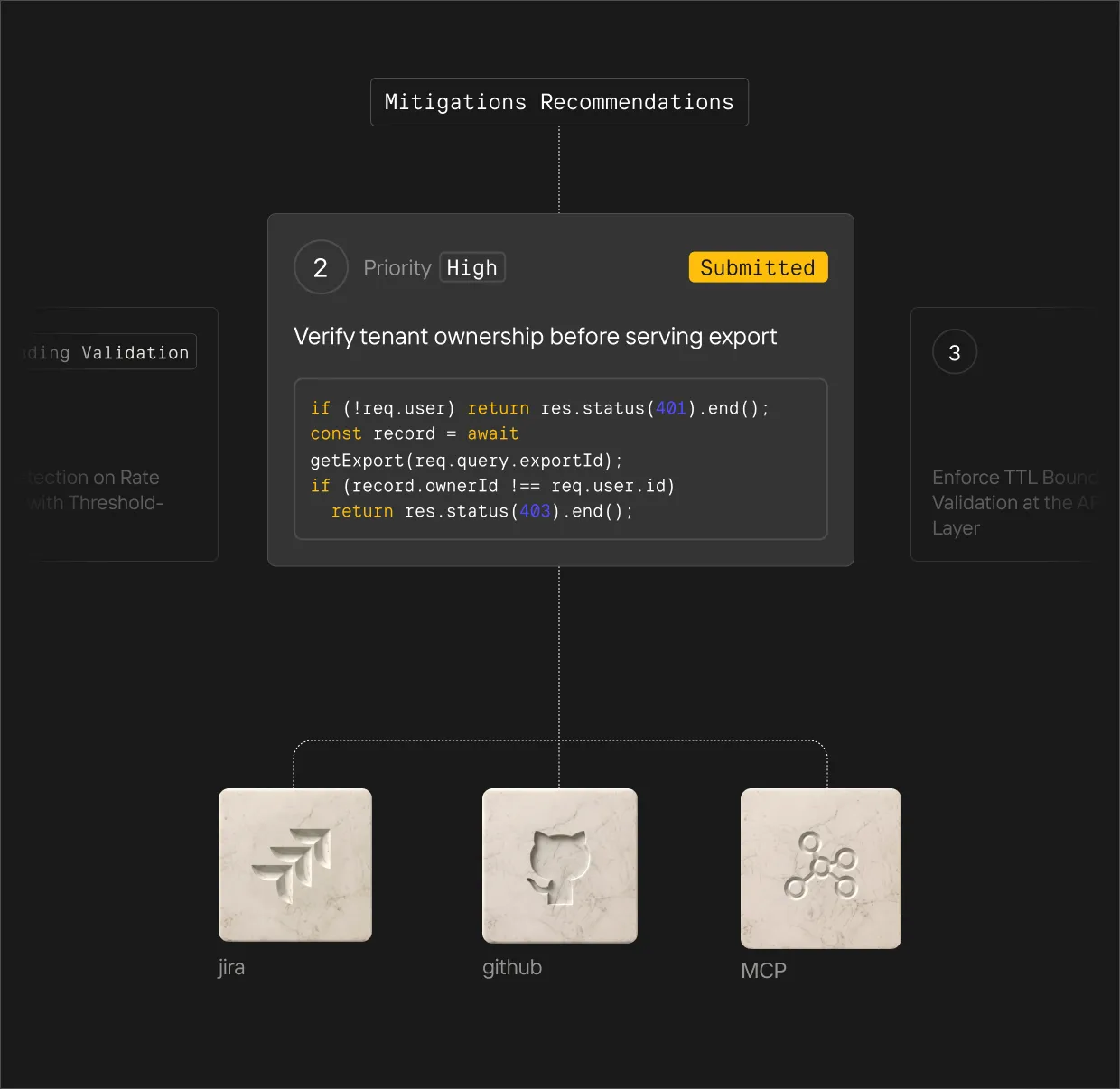
Prime delivers a tailored fix wherever the work happens. For developers: the PR, Slack, or a Jira ticket. For dev agents: context over MCP, so mitigation runs with no human in the loop.
Enforce
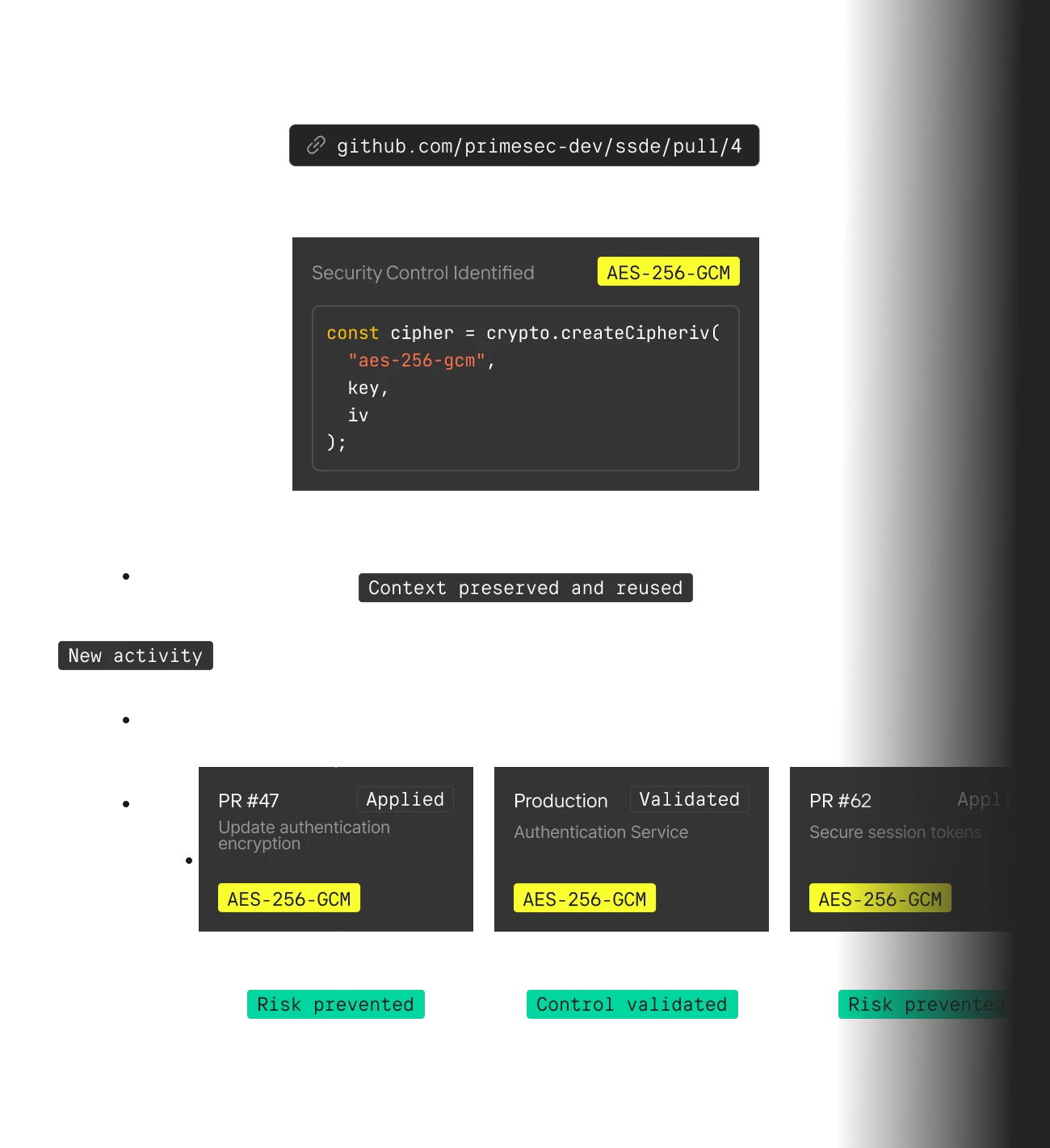
Makes recurring risks new agent guardrails. Problems get solved systemically, not one PR at a time.
This is some text inside of a div block.
Security knowledge that builds on itself
Trusted by security leaders worldwide

5X
100%
"As our development velocity increased, especially with AI, we needed a force multiplier we could actually trust. Prime gives us consistent, high-quality security reviews and threat models across our entire surface area, and the confidence to operate at speed."

.avif)

15
100%
“With Prime, we can scale security reviews. The reviews aren’t blocked because of our resource limitations. Engineering teams aren’t waiting in a line for reviews. They put tickets in, Prime ingests the tickets and reviews all associated artifacts and provides insight.”

.avif)

“In today’s rapidly evolving digital landscape, balancing development efficiency with robust security has never been more critical. By leveraging AI to automate security design reviews, we’re not just shifting left - we’re multiplying the productivity of security teams and enhancing the experience of engineers across the organization.”

.avif)

4X
100%
“Prime gives me the ability to support the speed and volume of product and engineering initiatives. When it comes to security architecture, I’m able to be three to five people with this tool.”

.avif)

“At PayPal, we know that security must evolve as fast as the threat landscape. Prime Security’s autonomous design-stage reviews give us continuous and adaptive visibility across our engineering ecosystem, enabling us to identify and address risks earlier in the software development lifecycle. This capability helps us move with speed and confidence to deliver for our customers and strengthen trust in our business globally.”

.avif)

"Prime Security is the best product for managing security risks from their inception at the design stage. It identifies and mitigates deviations from approved frameworks much earlier than traditional reviews. This early—and continuous—detection significantly reduces design stage risk. It’s a game-changer."

.avif)

“Prime Security ensures absolute oversight of our development process, detecting risks at the earliest stages of design. Its proactive security measures aligned with security frameworks safeguard our operations without compromising business performance or agility.”

.avif)

“Prime Security’s approach aligns perfectly with our security needs. Prime provides us with deep insights and actionable mitigation recommendations at the design stage.”

.avif)
Trusted by security leaders worldwide
5X
100%
"As our development velocity increased, especially with AI, we needed a force multiplier we could actually trust. Prime gives us consistent, high-quality security reviews and threat models across our entire surface area, and the confidence to operate at speed."
15
100%
“With Prime, we can scale security reviews. The reviews aren’t blocked because of our resource limitations. Engineering teams aren’t waiting in a line for reviews. They put tickets in, Prime ingests the tickets and reviews all associated artifacts and provides insight.”
“In today’s rapidly evolving digital landscape, balancing development efficiency with robust security has never been more critical. By leveraging AI to automate security design reviews, we’re not just shifting left - we’re multiplying the productivity of security teams and enhancing the experience of engineers across the organization.”
4X
100%
“Prime gives me the ability to support the speed and volume of product and engineering initiatives. When it comes to security architecture, I’m able to be three to five people with this tool.”
“At PayPal, we know that security must evolve as fast as the threat landscape. Prime Security’s autonomous design-stage reviews give us continuous and adaptive visibility across our engineering ecosystem, enabling us to identify and address risks earlier in the software development lifecycle. This capability helps us move with speed and confidence to deliver for our customers and strengthen trust in our business globally.”
"Prime Security is the best product for managing security risks from their inception at the design stage. It identifies and mitigates deviations from approved frameworks much earlier than traditional reviews. This early—and continuous—detection significantly reduces design stage risk. It’s a game-changer."
“Prime Security ensures absolute oversight of our development process, detecting risks at the earliest stages of design. Its proactive security measures aligned with security frameworks safeguard our operations without compromising business performance or agility.”
“Prime Security’s approach aligns perfectly with our security needs. Prime provides us with deep insights and actionable mitigation recommendations at the design stage.”
Connect the tools
your teams plan and build in







.svg)
.svg)

.svg)
.svg)



FAQS
Prime integrates with leading engineering tools, including Github, Gitlab, Claude Code, Cursor, Jira, Confluence, Google Drive, Azure DevOps, Linear, and Git Issues. We're continuously expanding. Reach out if you need a specific tool.
No. Prime empowers Product Security Engineers and Security Architects. It scales the team by monitoring all engineering activity automatically and taking the manual, tedious work off their plate, so the experts focus on high-value problems.
Scanners match known vulnerability patterns. They bury you in findings, and most of them aren't exploitable. Prime reasons across your code, architecture, design, and cloud context to find exploitable attack vectors, then tells you exactly what to change to close them. Fewer findings. The ones that actually matter.
Prime can produce a threat model, but it does more than that. It combines design-level analysis with your actual code to find the risk a diagram alone would miss. And when there's no code yet, just design docs, Prime still assesses the risk and produces the model, then carries that context forward to the code when it's written.
Yes. Prime sets security guardrails for agents like Cursor and Claude Code, catching insecure code at the PR before it merges. Autonomous development moves fast. Security has to move with it.
Prime's analysis is LLM-based, so it reasons about what your code does rather than relying on language-specific rules or signatures. There's no per-language engine to wait on. If an LLM can read your code, Prime can assess it.
You could wire up an LLM to review code and designs. The hard part isn't the model. It's the context layer: correlating code, architecture, design, and cloud into something that finds exploitable attack vectors instead of noise, then keeping it accurate as your stack changes. That's what Prime is. The pipeline is the easy 20%. We've built the other 80%.
Prime runs multiple passes on every finding to catch anomalies and rule out false positives before anything reaches you. Internal quality benchmarks control accuracy on what we surface.
Prime doesn't train models on your data or sell it. Customer data is logically isolated in a multi-tenant AWS environment. You can purge all or part of it on request.
Security is our product, so it's how we operate. Prime is SOC 2 Type II certified.