Evolving App Security into Product Security
The complete guide for making the shift

Most security teams operate within the Software Development Lifecycle. But your product's risk doesn't start at code and end at deployment—so neither should your risk management. The fundamental difference between SDLC and PDLC security isn't what security does, it's when security engages.

The Story So far...

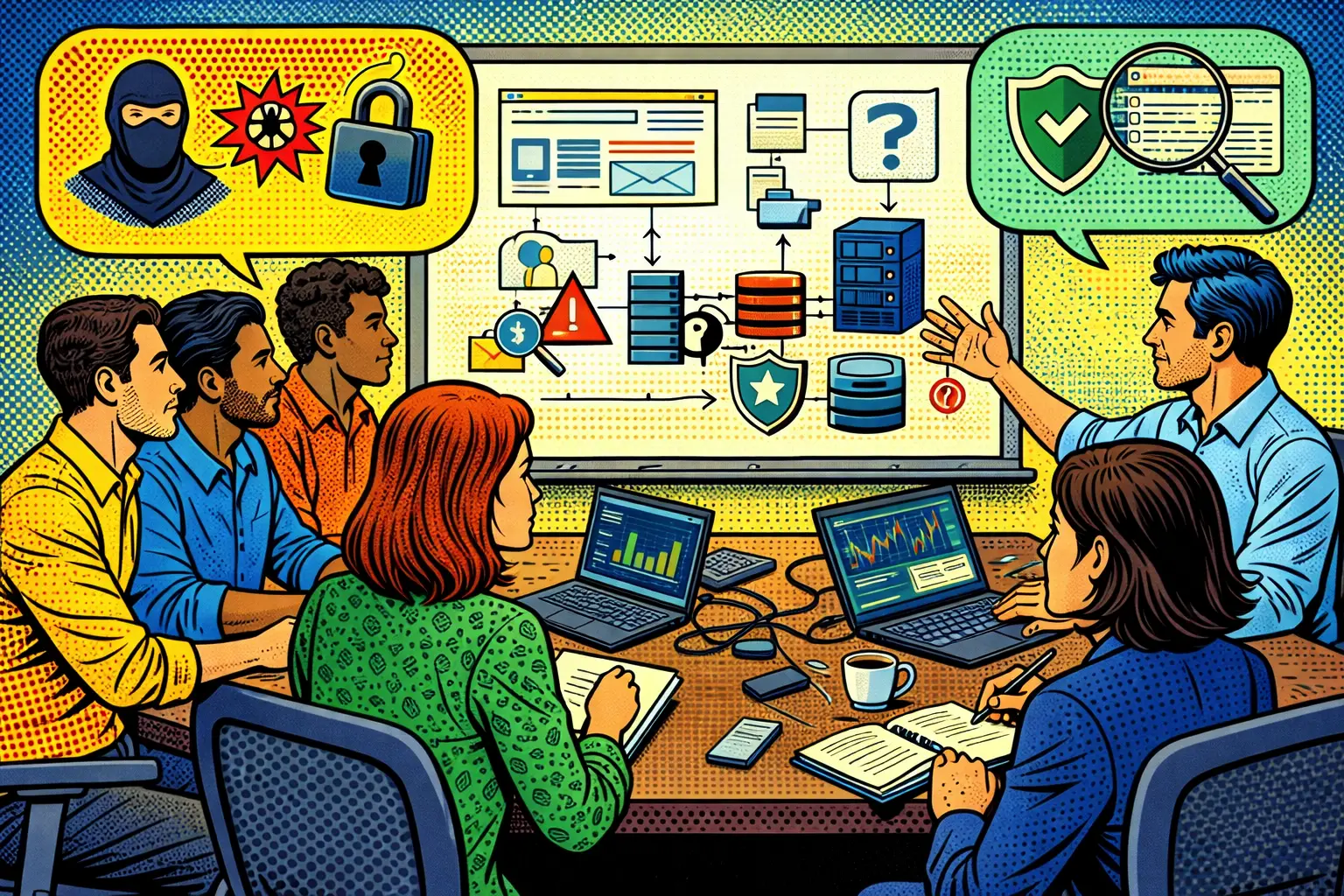
I'm supposed to 'shift left' and review designs before code gets written. But nobody loops me in until features are already built, timelines are locked, and asking for changes means I'm a "bottleneck". My team reviews maybe 10% of what ships. The other 90%? I just leave to faith.

The Stressed Out Security Champion

We ship every two weeks whether Security weighs in or not. We want to build secure features, but waiting around for design feedback that may or may not come just isn't an option. Tell us the architectural risks upfront so that we don't have to rewrite finished code from three sprints ago.

The Velocity-Focused Development Team

Have No Fear, PDLC is Here!

Catch Problems Early

Design reviews happen before implementation decisions are locked in, when architectural changes are still cheap and reversible.

What, Not How

Security identified which architectural risks exist without dictating how developers must solve them, protecting technical autonomy and velocity.

Advice vs Roadblock

Security embedded throughout the product development cycle instead of appearing at the worst possible moment as a bottleneck.

Decision History

Security thinking becomes part of the design artifact, creating institutional memory instead of hoping someone remembers.

PDLC Compared To SDLC

Security teams often inherit SDLC-focused practices that don't address product-level risk. This comparison shows what changes when security becomes a product discipline, not just an engineering one. Click any dimension to explore the differences.

Explore each Phase to see the differences

PRODUCT DEVELOPMENT LIFECYCLE

Where ProdSec Starts

Security requirements are considered alongside features. Architects conduct threat modeling and design reviews to proactively address risks.

Business Context

Security becomes part of defining what to build and why. This way it is aligned with user needs and competitive differentiation from day one.

SOFTWARE DEVELOPMENT LIFECYCLE

Not Addressed

Security enters only after requirements are finalized. Design decisions are made without security input.

Business Context

Product vision and architecture are set without considering security as a design constraint or differentiator.

Why This Matters

Design flaws are exponentially more expensive to fix after implementation. Starting here means security drives product quality, not just fixes bugs.

PRODUCT DEVELOPMENT LIFECYCLE

Where ProdSec Starts

Secure coding follows from earlier design intent. Controls like auth, crypto, and validation are built into engineering workflows.

Business Context

Cross-functional collaboration ensures security controls support both technical requirements and business goals.

SOFTWARE DEVELOPMENT LIFECYCLE

Not Addressed

Security begins with code scans and checklists, often too late to change flawed designs.

Business Context

Security tasks are scoped to developers and AppSec teams. Success depends on engineers 'doing the right thing' without business context.

Why This Matters

Without design context, developers implement features that pass scans but still create business risk. Context transforms compliance into capability.

PRODUCT DEVELOPMENT LIFECYCLE

Where ProdSec Starts

Infrastructure, configs, and runtime behavior stem from prior architectural choices. The attack surface reflects design quality.

Business Context

Security posture is tied to product roadmap milestones and measured in ways that inform GTM, legal, and customer communications.

SOFTWARE DEVELOPMENT LIFECYCLE

Description

Operational teams secure cloud, CI/CD, and runtime environments, often based on predefined patterns.

Business Context

Security metrics focus on code quality and throughput—defect rates, build failures, scan coverage—with limited traceability to business risk.

Why This Matters

Customers don't care about your SAST coverage—they care about whether they can trust your product. Production is where trust is built or broken.

PRODUCT DEVELOPMENT LIFECYCLE

Where ProdSec Starts

New features, changes, and integrations prompt re-evaluation of earlier design choices and security posture.

Business Context

Security decisions are tied to revenue, customer satisfaction, and company OKRs—enabling speed with safety.

SOFTWARE DEVELOPMENT LIFECYCLE

Description

Changes are evaluated during sprints or releases, though design-level reassessments are less common.

Business Context

Security is aligned with engineering timelines and releases, often isolated from product-level decision-making.

Why This Matters

Products evolve faster than code. If security only reviews code changes, product risk compounds with every new feature or integration.

PRODUCT DEVELOPMENT LIFECYCLE

Where ProdSec Starts

Patch strategy, secure deprecation, and long-term maintenance tie back to early design assumptions and architectural decisions.

Business Context

Security influences the full customer experience—from onboarding through sunset—driving trust, retention, and satisfaction.

SOFTWARE DEVELOPMENT LIFECYCLE

Not Addressed

Security teams increasingly support incident response and long-term vulnerability management.

Business Context

Technical debt accumulates. Customer impact is indirect or invisible until something breaks.

Why This Matters

A clean shutdown only happens if the design includes visibility into dependencies. Long-term security is a product of early decisions.

Why this shift matters

Modern products span web applications, mobile apps, cloud APIs, infrastructure, and third-party integrations. The shift from SDLC to PDLC security expands coverage from code-focused engineering practices to product-wide risk management across the entire lifecycle.

AppSec ensures the walls meet specifications—if something's wrong, you repaint or adjust drywall. ProdSec ensures fire stairs and sprinklers are correctly positioned—if that's wrong, you're breaking into concrete.

Take Independence Day's alien invasion:
The most sophisticated species in the galaxy, defeated by malware through a design oversight. Or the Death Star—an ultimate weapon with a critical exhaust port vulnerability.

These make for entertaining cinema, but the pattern is instructive: even unlimited resources can't compensate for architectural flaws.

Traditional AppSec practices validate code implementation. ProdSec practices identify architectural risk during design review—before concrete is poured. 

ProdSec Maturity

Not every organization practices Product Security the same way. Some are just getting started. Others have mature teams and processes, but still struggle to keep up as development velocity increases.

Implementing Security Across the pDLC

Understanding the difference is one thing. Operationalizing it is another. This framework shows how security integrates at each stage—from design through end-of-life.

Design: Threat Modeling

Goal:

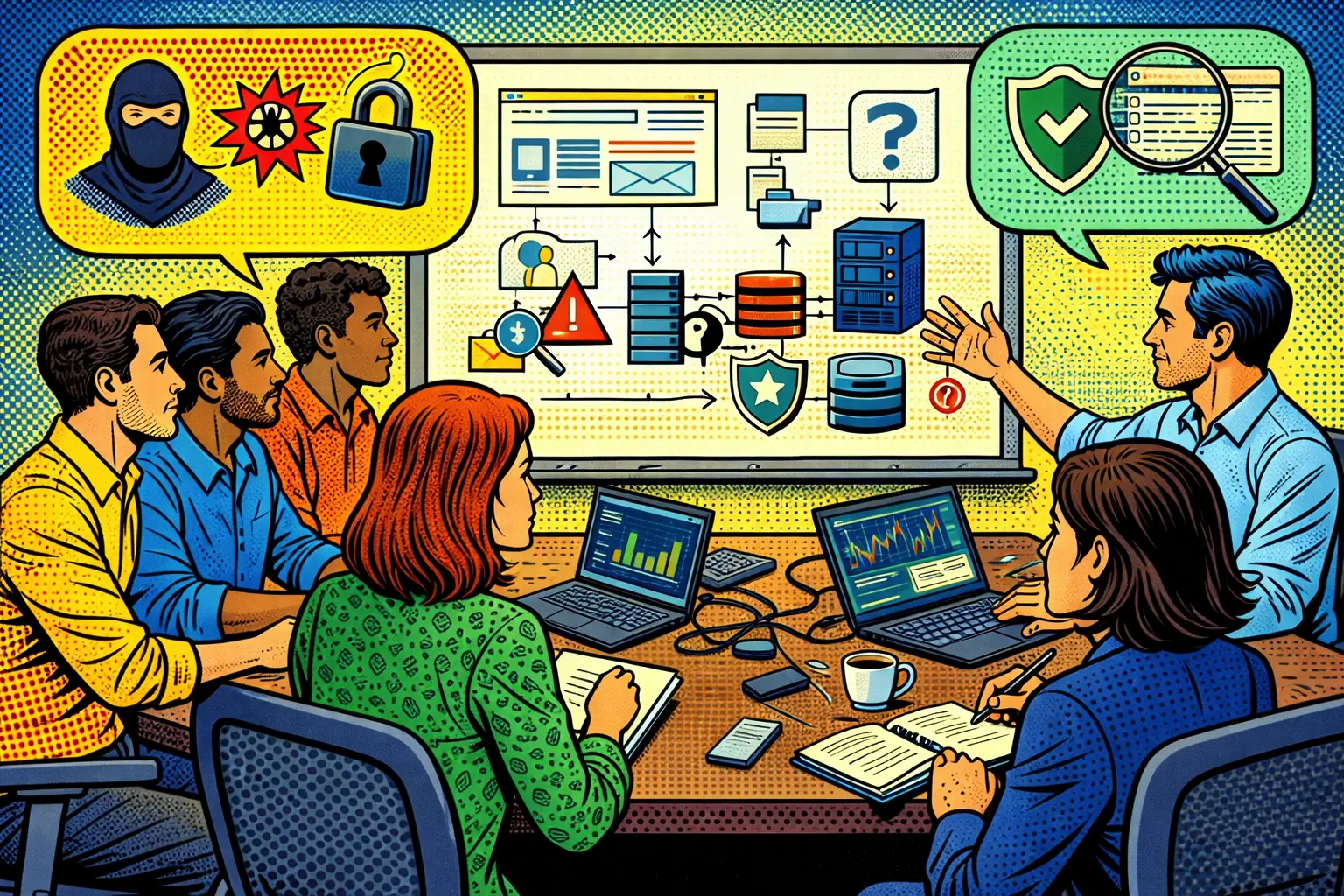
Identify how the system can be attacked based on what’s being designed, not just what’s being built. Threat modeling turns feature ideas into security conversations before code exists.

Key Considerations

This is where design is the security activity, security posture is built directly into the architecture, not layered on later

Ideal Result

  • Documented threat model per feature/system/component
  • Identified trust boundaries and attacker personas
  • Top risks (e.g. spoofing, data exposure, privilege escalation) tied to specific design elements
  • Mitigation recommendations delivered to product and engineering

Deployment

Goal:

The final test of whether design holds up in the real world. Deployment makes, or breaks, architecture-driven security decisions

Key Considerations

Runtime posture is a product of design. If it’s not in the blueprint, it won’t show up in prod

Ideal Result

  • IaC templates implementing security controls (e.g., network segmentation, RBAC)
  • CI/CD checks confirming config matches design
  • Runtime telemetry (logs, alerts) aligned to threat model
  • Drift detection reports to catch config vs. design mismatches

Design: Security Design Reviews

Goal:

Formal evaluation of how the product is intended to work. Security Design Reviews turn vague concerns into specific feedback on flows, architecture, and logic.

Key Considerations

Security is embedded in the same docs engineers already use, review outcomes are traceable and owned like any other product decision

Ideal Result

  • Reviewed PRDs, architecture diagrams, and technical specs
  • Annotated feedback with security gaps and design flaws
  • Risk-based prioritization (e.g., Must Fix, Should Fix, FYI)
  • Security requirements added to tickets, epics, or Confluence

Development: Human Driven

Goal:

Developers implement product features based on specs and architecture. Security guidance is typically delivered through documentation, training, or ticket notes

Key Considerations

Developers translate previously approved designs into code. Security is preserved when guidance is accessible and specific to what’s being built

Ideal Result

  • Secure coding guidelines made available in dev docs or wiki
  • Jira tickets annotated with security context from design reviews
  • Pre-commit checks or linters for known insecure patterns
  • Team-wide standards for auth, crypto, logging, etc., based on prior design

Testing

Goal:

Validate whether what was designed and what was built actually match. Security testing confirms the implementation, not just functionality

Key Considerations

Security tests aren’t just “run scans”, they’re directly tied to design artifacts and modeled threats

Ideal Result

  • Security test plans scoped by threat model coverage
  • SAST/SCA scans mapped to specific design-level risks
  • Test cases for flows identified in design review
  • Identified gaps traced back to design assumptions

End of Life

Goal:

Every product decision should have an exit plan. EOL is where forgotten design choices can become unmonitored risk

Key Considerations

A clean shutdown only happens if the design included visibility into dependencies and lifecycle endpoints

Ideal Result

  • EOL checklist per feature/system (e.g., data deletion, access removal)
  • Tickets for sunsetting endpoints, integrations, and workflows
  • Communication plan for users and internal stakeholders
  • Architecture teardown plan tied to original design

Development: AI Generated Code

Goal:

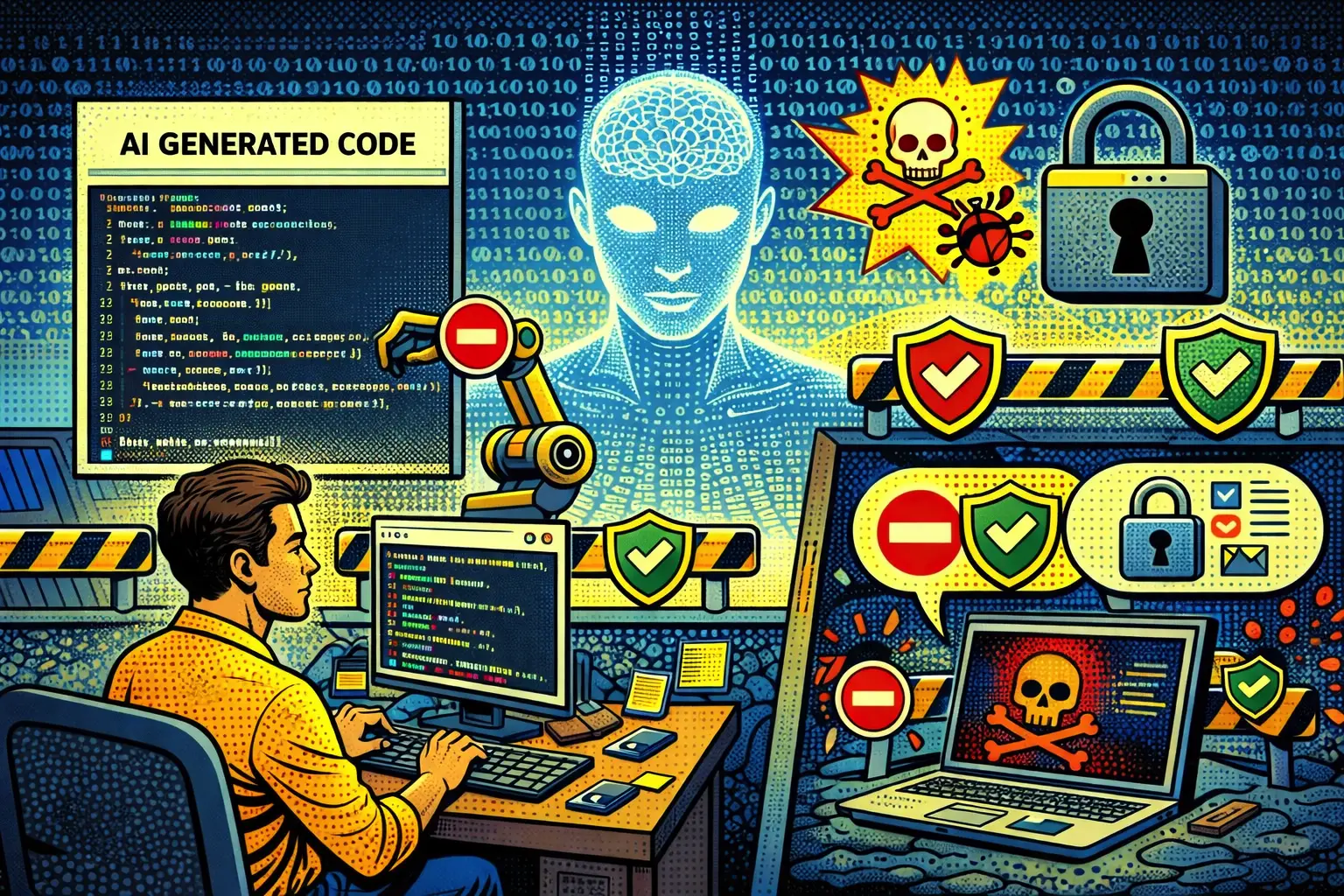
AI tools like Copilot and Cursor help generate code, but without design context, they can drift from intended security posture. Guardrails must be infused at the point of generation

Key Considerations

AI assistants become vehicles for reinforcing security design—if they’re given the right context. Otherwise, they reintroduce the same old risks, just faster

Ideal Result

  • Prompt-injected security context based on task-level design assumptions
  • Secure defaults and patterns reinforced in AI suggestions (e.g., safe auth flows, data handling)
  • Flagged suggestions when generated code violates design decisions

Navigating Executive Objections

The technical case for ProdSec is straightforward. The organizational case requires different conversations. These are the most common executive objections you’ll face and how to reframe them about business outcomes, not security theory. 

Each objection includes the underlying concerns, the business issue at stake and a response template you can adapt to your context. 

Budget Constraints

The perception is that expanding security earlier requires new tools, headcount, and time developers don't have. 

The reality is that missed design risks create downstream failures, rework, and delays that cost far more in engineering time and business opportunity than proactive design reviews.

Resistance to Change

Teams equate “security” with scanners, not with reducing developer friction. 

The reality is that without integrated design-stage context, teams build features that hit delays, rework, and security gaps, hurting delivery timelines and product quality.

Lack of Understanding

Security doesn't register as a business priority until there's a visible incident. 

The reality is that design flaws delay launches, erode customer trust, and dramatically increase the cost of change. What's at stake isn't just risk, it's roadmap predictability and competitive positioning.

Misconceptions and Fear of Change

Teams assume the current process works because nothing has exploded yet. 

The reality is that just because a release ships doesn't mean it's efficient. Silent design flaws create friction across engineering, product, and support—and eventually show up as production incidents or major rework efforts.

Skill Gaps and Training Needs

Teams lack familiarity with threat modeling, architecture reviews, or cross-functional security coordination. 

The reality is that if product risks aren't caught early, they become late-stage engineering problems that slow delivery and create firefighting cycles that are far more expensive than learning new skills.

Integration with Existing Processes

Teams worry that new security reviews or approvals will break CI/CD momentum and add bureaucracy.

The reality is that manual, inconsistent security slows down development. But invisible gaps do too, just later, when fixes are harder and more expensive. The question isn’t whether to invest time, it’s when. 

"Well, this sounds expensive and slow..."

what they'll say

"Last quarter we spent three engineering weeks fixing a design flaw we could have caught in a 45-minute review. The math here isn't complicated—we're already paying for this, we're just paying retail instead of wholesale."

What You'll Want to Say

  • Start with high-leverage wins (e.g., add design reviews to key features)
  • Use existing security staff to pilot new workflows
  • Launch a low-lift Security Champions program, apply tooling to existing planning tools, no new workflow
  • Prioritize high-impact areas that reduce churn and rework
  • Quantify developer hours saved by avoiding late-stage remediation
  • Reallocate resources from reactive testing to proactive guidance

how You should respond

"Why do we need to change if our AppSec scanning was fine?""

what they'll say

"Our AppSec scanning is excellent at finding XSS vulnerabilities. It's less excellent at catching the architectural decision to store API keys in local storage. One of these problems costs $200 to fix. The other one requires a board-level incident report."

What You'll Want to Say

  • Show how early-stage reviews reduce development bottlenecks later
  • Align with existing rituals (design reviews, sprint planning)
  • Deliver insights directly in tools devs already use
  • Position as a way to improve planning, not slow it down
  • Celebrate velocity gains, not just risk reduction
  • Use concrete examples of design problems that scanners missed
  • Frame as complementary to AppSec, not replacement

how You should respond

"Do we really need this?"

what they'll say

"I appreciate that security doesn't sound urgent until something catches fire. The challenge is that by the time you smell smoke, we're already explaining to customers why their data was involved. I'm proposing we install the smoke detectors now."

What You'll Want to Say

  • Reframe as product risk management, not compliance
  • Show the cost of missed flaws in strategic features
  • Highlight time savings across teams: fewer blockers, less backtracking
  • Position as a development accelerator, not a security project
  • Share competitor moves or regulatory shifts as external drivers
  • Connect design decisions to roadmap predictability
  • Use business metrics (time-to-market, revenue impact) not security metrics

how You should respond

"If it ain't broke, don't fix it"

what they'll say

“If it ain't broke, don't fix it' works great until you realize it actually was broke, you just hadn't shipped to enough customers yet. We're currently finding design problems after release. I'm suggesting we find them before release. Revolutionary, I know."

What You'll Want to Say

  • Emphasize productivity gains from getting decisions right up front
  • Share real examples of avoidable rework from late-stage findings
  • Show how early input can unblock and de-risk key launches
  • Reassure: this builds on AppSec, it doesn't replace it
  • Lead with business impact, not just better controls
  • Point to unplanned work and technical debt caused by late discoveries
  • Offer to pilot with measurable velocity metrics

how You should respond

"We don't have the skills to do this right now."

what they'll say

"You're right, we don't have these skills yet. Neither did we have Kubernetes skills before we moved to containers, or React skills before we rebuilt the frontend. Somehow we managed. This one just has the advantage of actually reducing work instead of creating it."

What You'll Want to Say

  • Support teams with pre-built frameworks, templates, and contextual automation
  • Start small: one team, one product, one quarter
  • Invest in upskilling key engineers, not boiling the ocean
  • Treat this as an efficiency upgrade, not a security overhaul
  • Use tooling to augment judgment, not replace it
  • Provide hands-on support from security during initial pilot
  • Frame as capability building that reduces future firefighting

how You should respond

"This is going to slow us down and add extra steps."

what they'll say

"I'm not asking to add steps. I'm asking to add fifteen minutes to the design review you're already doing so we don't spend three weeks in code review discovering that the thing you designed can't actually be secured. This is the efficiency play."

What You'll Want to Say

  • Integrate guidance into tools and flows teams already use
  • Deliver real-time context, not checklists, into planning tickets
  • Automate risk assessments to eliminate review delays
  • Pilot with one team and show no impact on velocity (or a speedup)
  • Shift from security gates to intelligent paved roads
  • Add security to existing ceremonies, don't create new ones
  • Measure actual cycle time before and after to prove value

how You should respond

Measuring Success:
KPIs for Product Security

Transformation requires measurement. These KPIs track your evolution from AppSec to ProdSec, showing not just risk reduction, but improvements in velocity, predictability, and cross-functional collaboration. Track these metrics to demonstrate business value and identify optimization opportunities.

Security Review Coverage Rate

What It Measures

This metric is about understanding the "visibility gap" between the total number of changes your organization makes and how many of those changes actually undergo a security assessment. It is calculated by comparing the number of reviewed assets (or changes) against the total inventory. 

Why It Matters

If your team is reviewing 50 projects a month, that sounds great—until you realize the engineering team is shipping 500. A high "raw volume" of reviews can mask a low coverage rate, leaving a massive "shadow" attack surface that security has never seen.

What To Track

  • % of features with completed threat models
  • % of features with completed design reviews
  • # of risks mitigated before development

Mean Time to Remediate (MTTR)

What It Measures

This is the "speed" metric of your security program—it tells you how long a vulnerability lives in your environment before it’s neutralized. It measures the average time it takes to fix a security issue once it has been identified.  A single MTTR number can be misleading so to get actionable insights, teams slice this data in different ways and look at trends over time. 

Why It Matters

MTTR is a direct measurement of your Window of Exposure. The longer your MTTR, the more time an attacker has to exploit a known flaw. A high MITTR delays product delivery

What To Track

  • % of features with completed threat models
  • % of features with completed design reviews
  • # of risks mitigated before development

Policy Compliance Rate

What It Measures

This metric measures the percentage of your active projects or releases that are in full alignment with established security policies. Product security teams usually track this along three distinct categories: Gate Compliance, Vulnerability SLA compliance and Identity & Access Compliance. 

Why It Matters

While technical metrics like MTTR track speed, the Policy Compliance Rate tracks governance. It tells you whether your products are actually following the rules you’ve set, such as "No critical vulnerabilities in production" or "All code must be peer-reviewed."

What To Track

  • % of products passing compliance framework
  • # of policy violations and exceptions
  • Frequency of non-compliant launches

Security Testing Coverage

What It Measures

This is the technical measurement of how much of your actual code and infrastructure is being actively vetted by security tools. It identifies the percentage of your total "attackable" surface—codebases, APIs, and infrastructure—that is regularly analyzed by automated security testing (SAST, DAST, SCA, or IAST).

Why It Matters

You cannot secure what you aren't testing. High testing coverage ensures that security is a continuous process rather than a "point-in-time" event.

What To Track

  • % of codebase covered
  • Pen test frequency & asset coverage
  • % of user stories with security input

Vulnerability Burn Rate

What It Measures

This metric tracks the ratio of newly discovered vulnerabilities against those that have been remediated within the same period. It tells you whether your "security debt" is shrinking or growing out of control.

Why It Matters

The Burn Rate acts as an Early Warning System helpful for capacity planning, process health and risk forecasting.

What To Track

  • % of incidents by severity
  • % of externally reported bugs vs. internally caught
  • # of impacted customers or delayed launches

Vulnerability Density Reduction

What It Measures

This metric tracks the actual quality of the code being produced. It measures the number of security vulnerabilities identified relative to the size of the application (usually per thousand lines of code, or KLOC).

Why It Matters

Tracking this shows whether the integration of security into the product development process is improving over time. These trends reveal if teams are getting faster, smarter, and more proactive without sacrificing speed

What To Track

  • Mean Time to Detect (MTTD)
  • Average severity of vulnerabilities identified
  • Ratio of proactive to reactive security work